To understand why Bangladesh dominates jute today, it helps to know how it got here. Jute is not a recent industry bolted onto the economy — it is woven through the region's history, its rivers and, for a long time, its fortunes. This is the short version of a long story.
The rise of the Golden Fiber
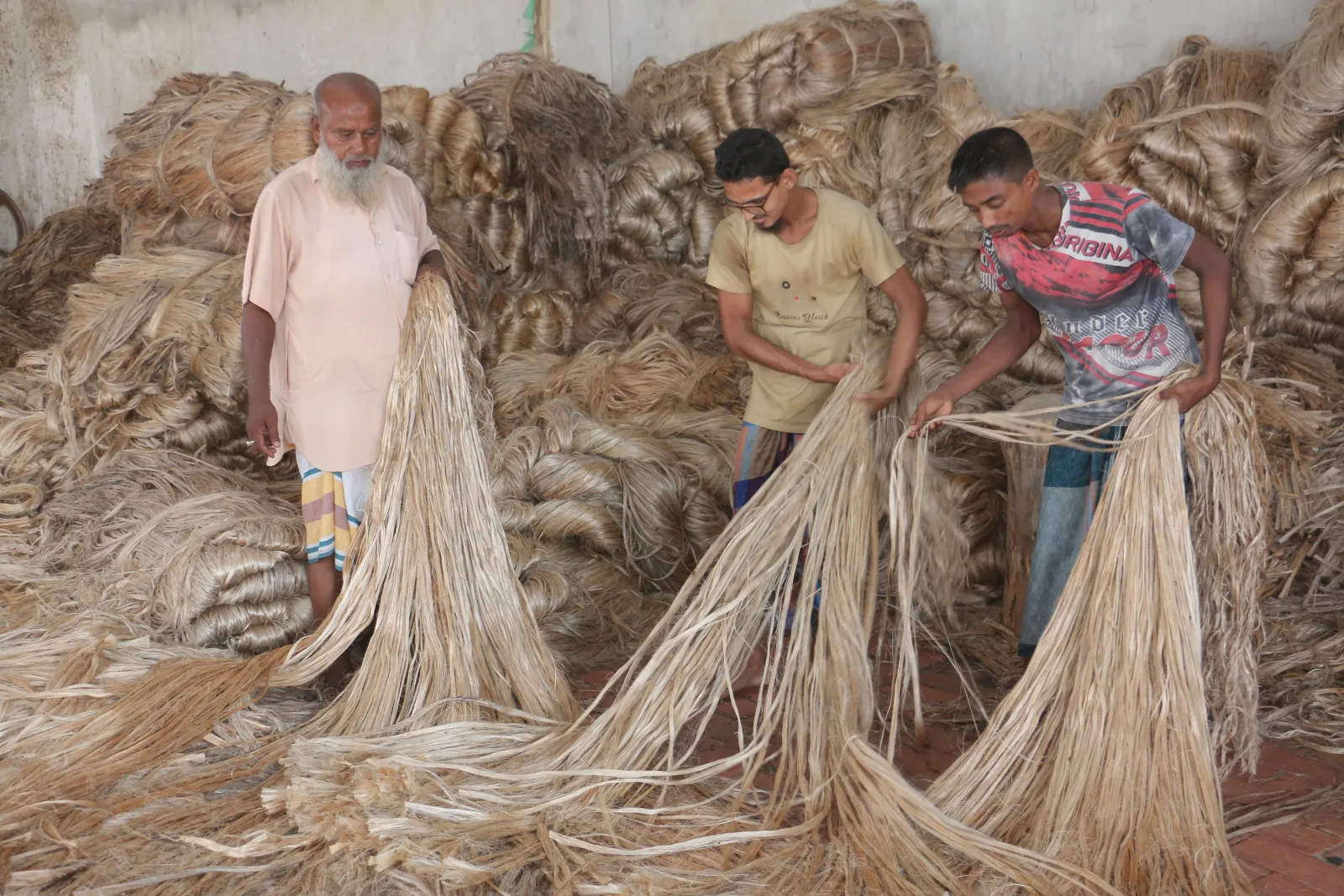
Jute grew wild and was used locally in Bengal for centuries, but it became a global commodity in the nineteenth century, when European industry discovered it could be spun and woven by machine. Demand for cheap, strong sacking exploded, and the fertile delta of Bengal — today's Bangladesh — turned out to be the best place on Earth to grow the raw fiber.
For decades the raw jute was grown in Bengal but spun and woven elsewhere. The fiber earned its enduring nickname in this era: the Golden Fiber, for both its colour and the wealth it generated.
Jute and the making of a nation
Through the twentieth century, jute became central to the economy of East Bengal — later East Pakistan, and from 1971, independent Bangladesh. For years it was the country's single largest export earner, funding much of its early development. "Golden Fiber" was not just a marketing phrase; it described a genuine engine of the national economy.
Jute is, for Bangladesh, both a crop and a heritage — a thread that runs through the country's land, rivers and history.
The synthetic challenge — and the natural comeback
The second half of the twentieth century brought a serious threat: cheap synthetic packaging, especially polypropylene, undercut jute in many markets. Demand softened, and the industry had to adapt. But the very thing that made synthetics attractive — they are cheap and they last forever — became their liability as the world woke up to plastic pollution.
Today, with regulators restricting single-use plastics and buyers demanding sustainable materials, jute is experiencing a genuine renaissance. The case for switching back is one we make in jute vs. synthetic fiber.
Modern Bangladeshi jute manufacturing
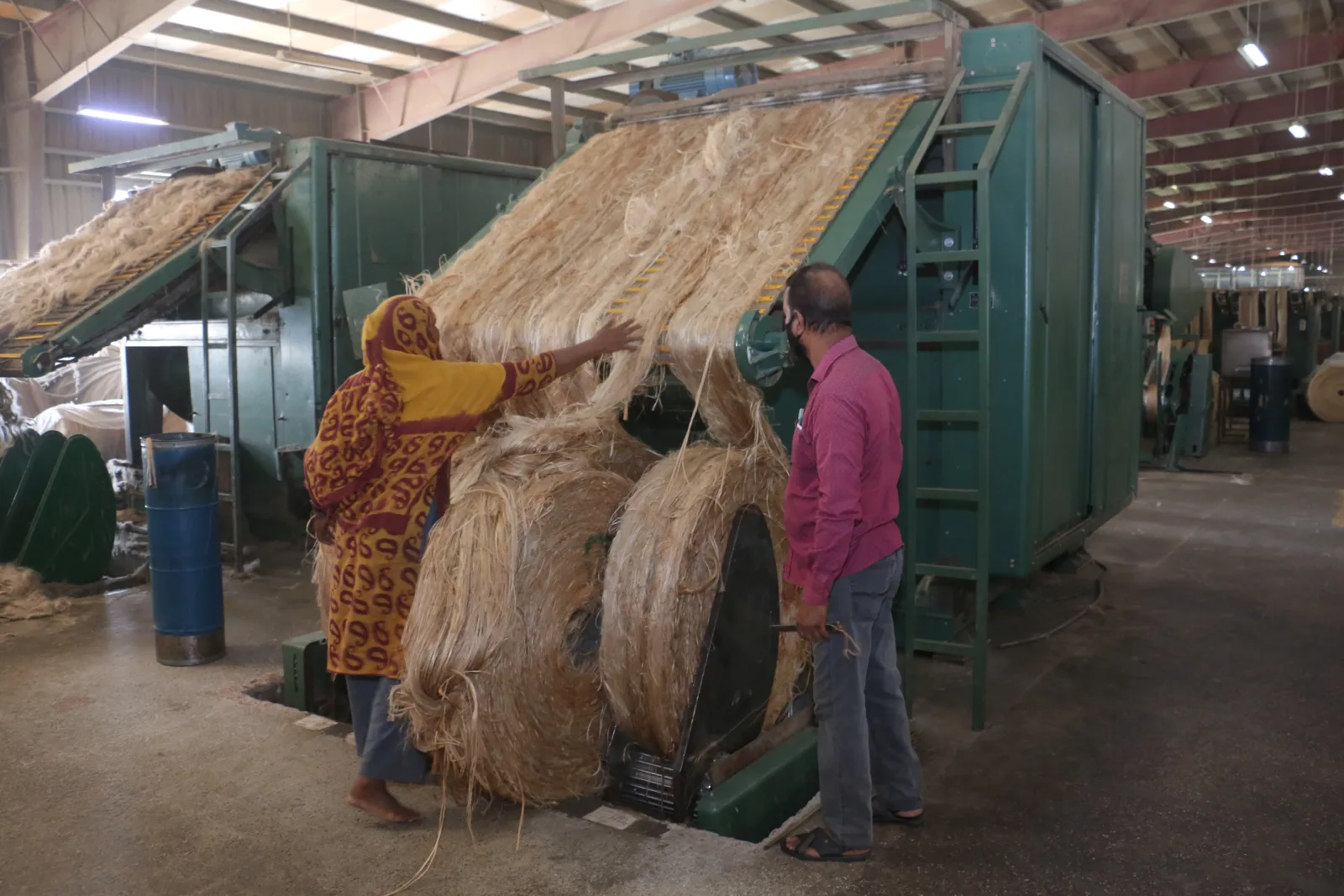
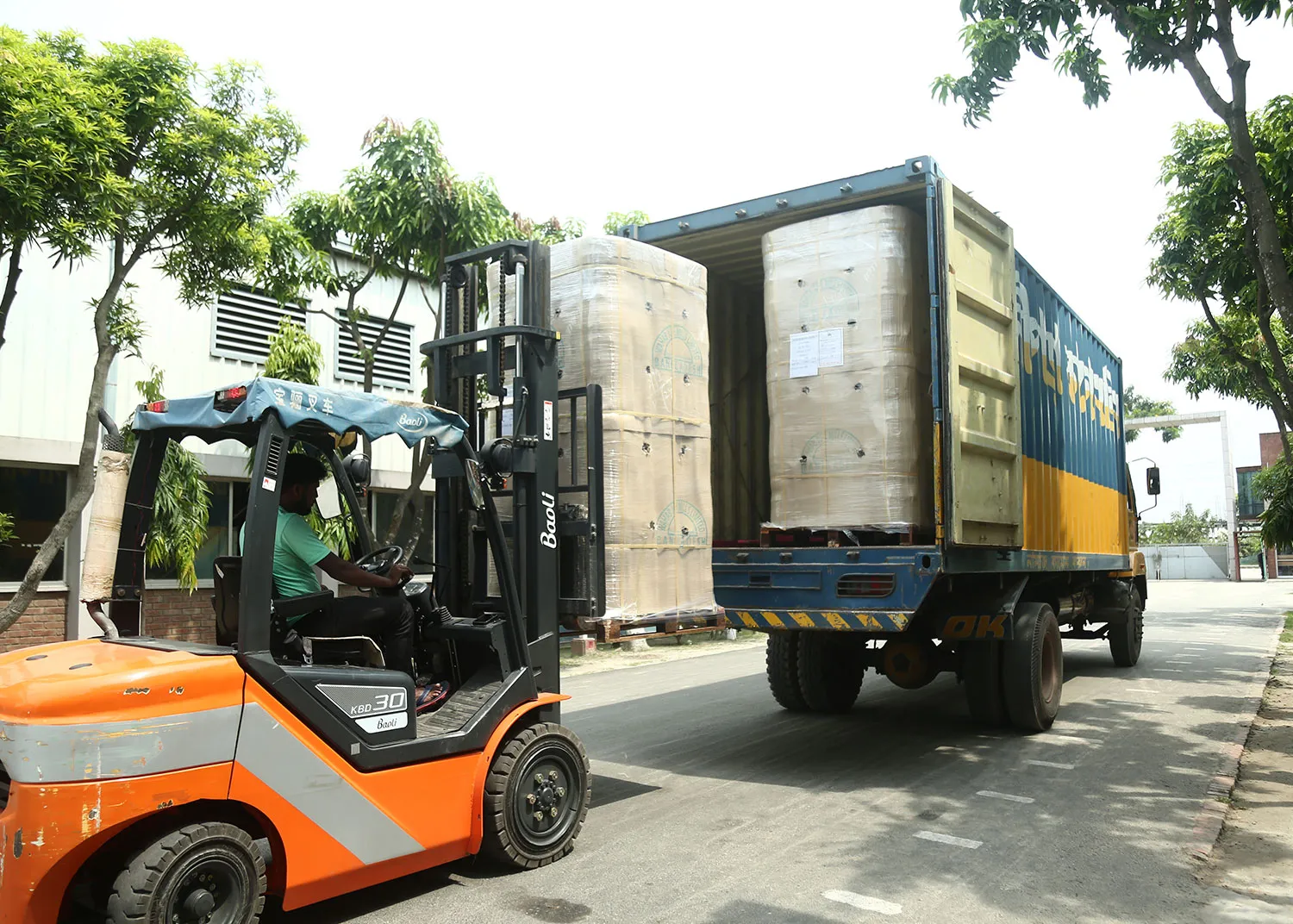
The industry that exists now is leaner and more export-focused than its colonial-era ancestor. Modern mills — concentrated around Khulna, in the heart of the jute belt — combine the region's traditional fiber expertise with up-to-date spinning and quality-control machinery. The product travels worldwide: from Turkey's carpet industry to Belgium's eco-packaging sector. You can see where our own jute goes on our export markets page.
Where Wahab Jute Mills fits in
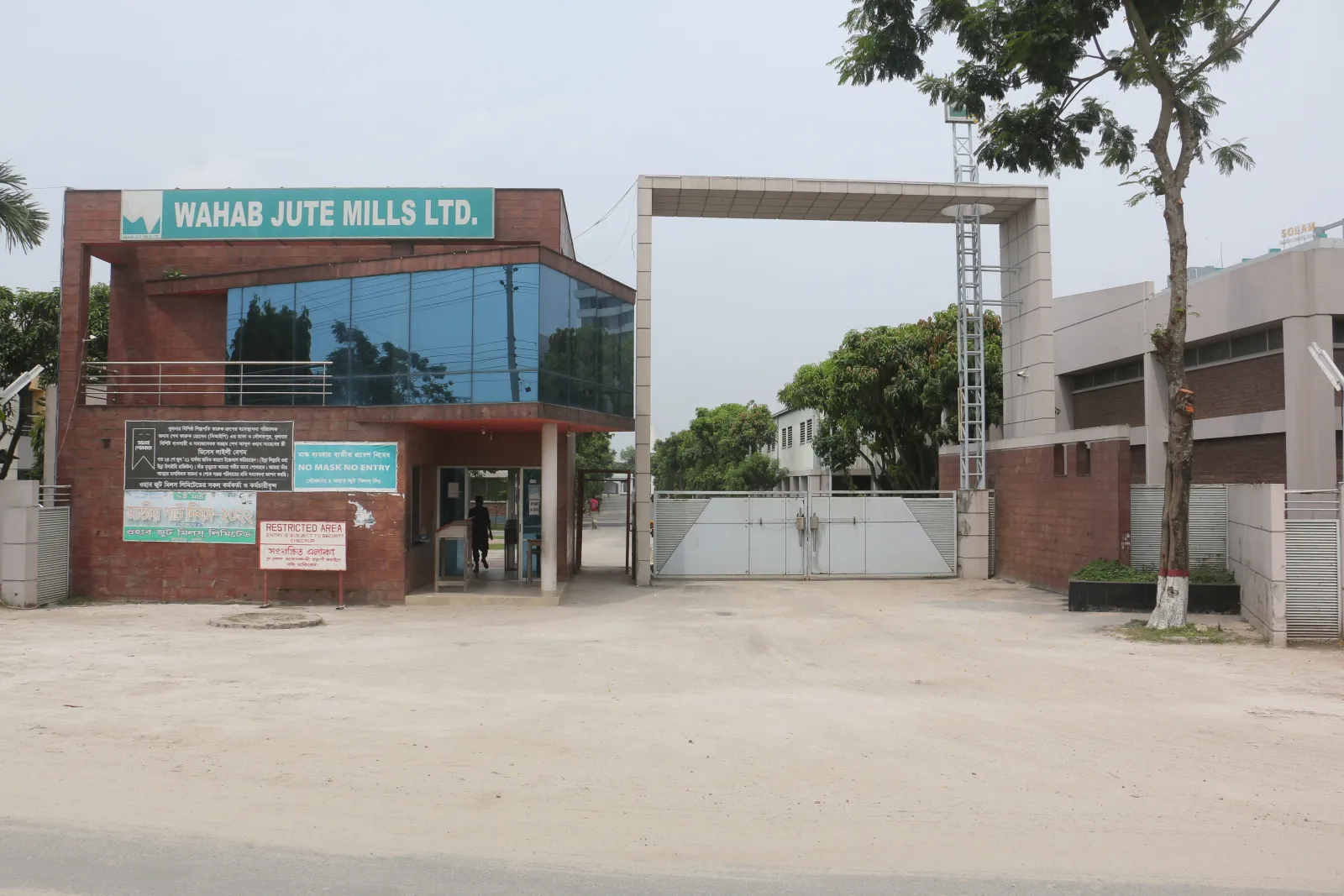
Founded in Khulna in 2006, Wahab Jute Mills is part of the modern chapter of this story — a manufacturer built to carry the Golden Fiber's heritage of quality into a global, sustainability-conscious market. Two decades on, we ship premium jute to buyers across five continents. To become part of the next chapter, request a quote.