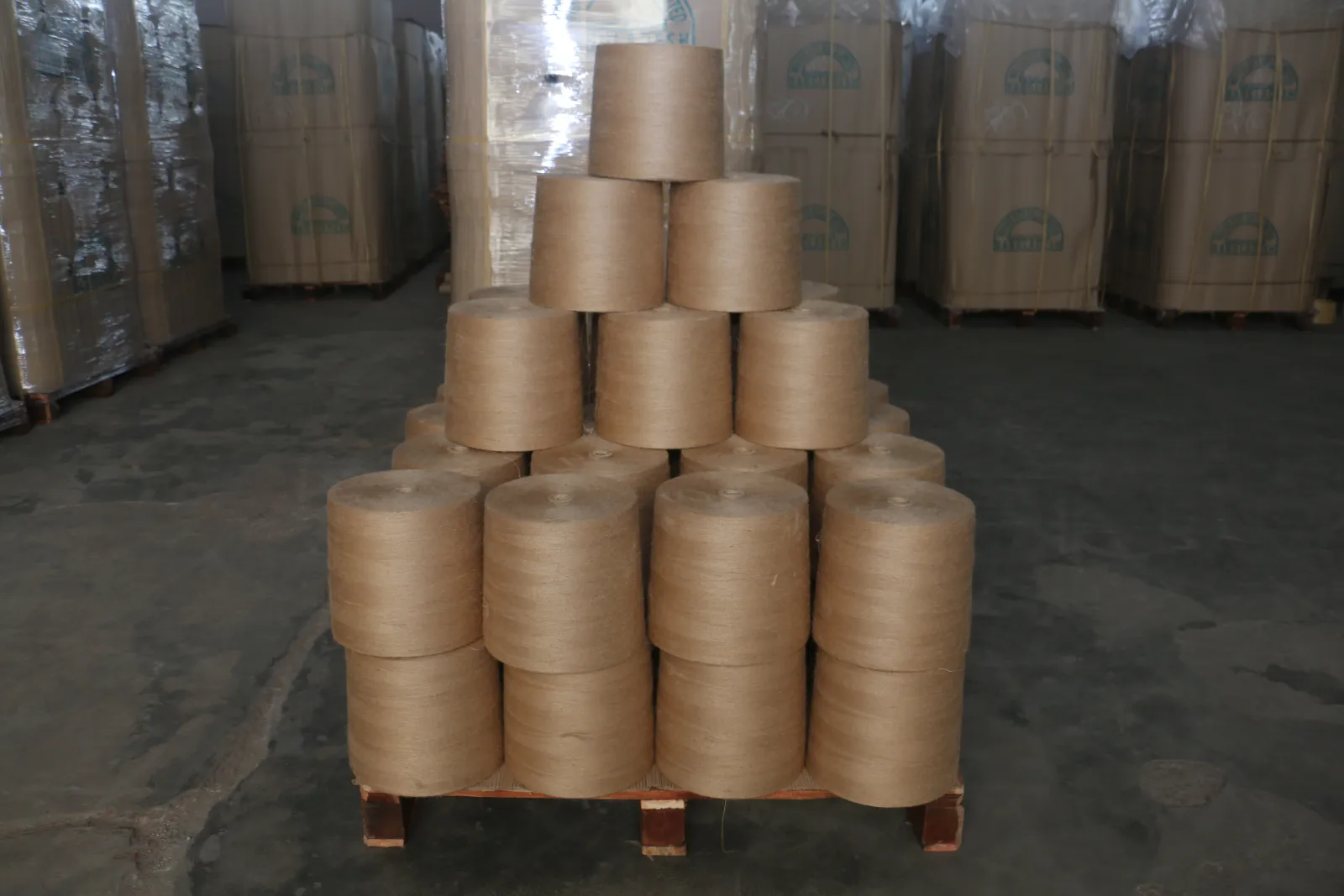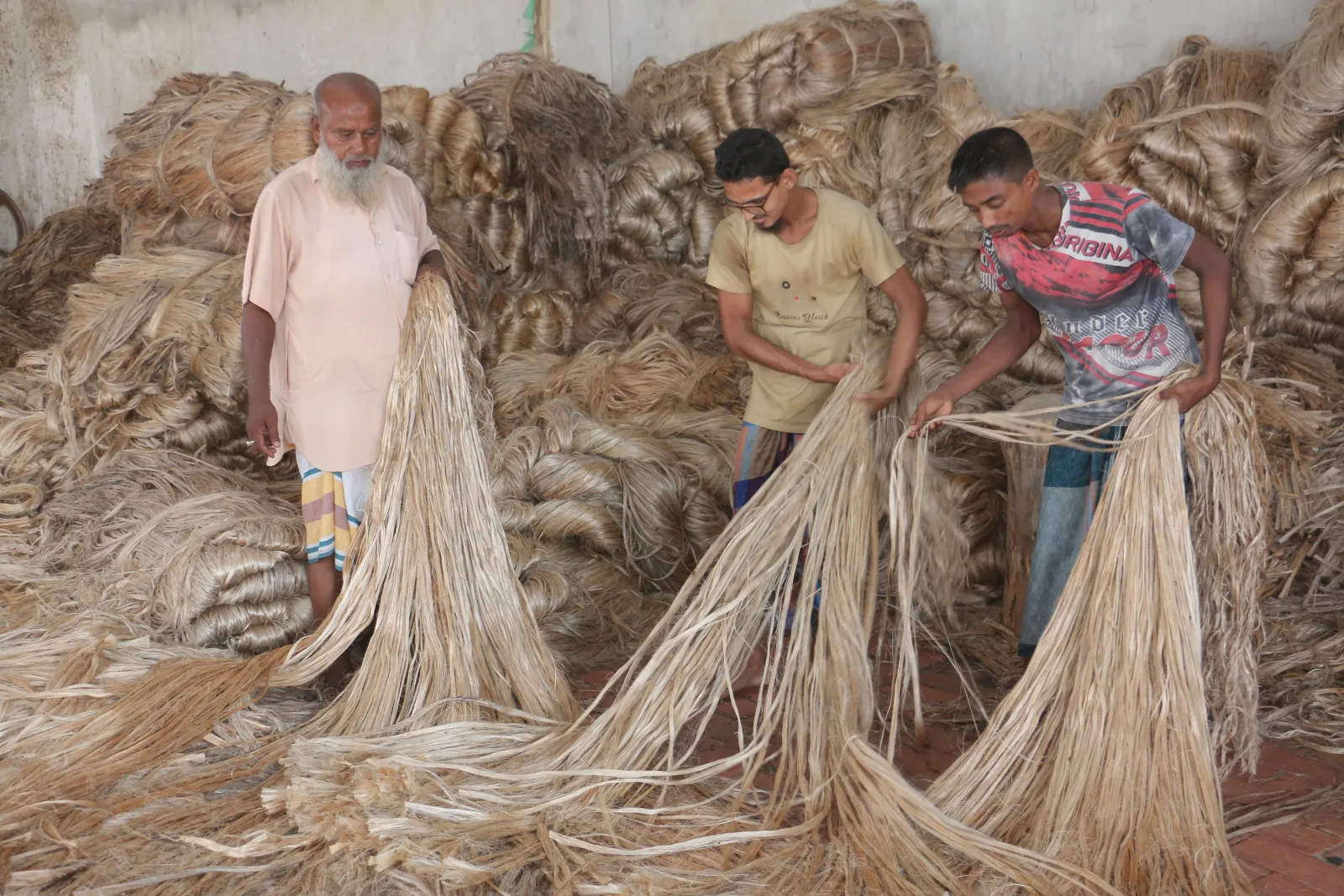
Bangladesh is the world's largest exporter of raw jute and one of the most important sources of spun jute yarn on the planet. If you manufacture carpets, weave hessian, twist rope, or package agricultural goods, sooner or later the supply chain leads back to the delta of the Ganges and Brahmaputra — the only place on Earth that grows the long, lustrous fiber the industry calls the "Golden Fiber."
But importing jute yarn from Bangladesh for the first time can feel opaque. Which counts do you need? How do you tell a real manufacturer from a trading middleman? What documents arrive with the container? This guide answers those questions in order, drawing on two decades of export experience at Wahab Jute Mills.
Define your spec, shortlist genuine manufacturers, test samples, agree an Incoterm and price, then let the factory handle production and documentation. A good supplier makes the rest almost invisible.
Step 1: Understand jute yarn specifications
Before you contact anyone, write down what you actually need. The four variables that define jute yarn are count, ply, twist and finish. Getting these right up front saves weeks of back-and-forth — and we cover them in depth in our guide to jute yarn types, grades and quality.
- Count — the thickness of the yarn, traditionally expressed in pounds per spyndle (14,400 yards). A lower number is a finer yarn.
- Ply — single, 2-ply, 3-ply or multi-ply, depending on the strength your end product needs.
- Twist — the direction (S or Z) and the number of turns per inch, which affect strength and surface texture.
- Finish — natural brown, bleached, dyed, or sized for weaving.
If you do not yet have a spec, that is fine. Describe your end use — carpet backing, hessian weaving, twine, geo-textile — and a knowledgeable manufacturer will recommend the right jute yarn configuration.
Step 2: Find a reliable jute yarn manufacturer (not a middleman)
This is the single most important decision you will make. Bangladesh has hundreds of jute businesses, but only a fraction are genuine spinning mills. Many are trading houses that buy from whoever is cheapest that week — which is exactly how buyers end up with inconsistent shipments.
What a genuine manufacturer looks like
- A physical mill with its own spinning capacity — ask for photos or a video tour of the production floor.
- Years in operation and a track record of repeat export buyers.
- Willingness to share samples, specifications and references.
- Documented quality control, not just verbal assurances.
Red flags to watch for
- Prices far below the market — usually a sign of lower grade fiber or short weight.
- Vague answers about counts, grades or capacity.
- No physical address, or an address that does not match the company name.
- Pressure to pay 100% in advance to an unfamiliar account.
We wrote a dedicated checklist for this — see how to evaluate a jute manufacturer before placing a bulk order.
Step 3: Request and evaluate samples
Never place a container order on the strength of a photo. A reputable mill will send a representative sample of the exact count and grade you intend to buy. When it arrives, check it against your own benchmark: feel the hand, look at the colour and luster, and if you can, test tensile strength and moisture. The sample you approve becomes the contractual standard for your shipment.
Step 4: Send a clear request for quotation (RFQ)
A good RFQ gets you a fast, accurate price. Include:
- Product and full specification (count, ply, twist, finish)
- Quantity — in metric tonnes or number of containers
- Destination port and country
- Your preferred Incoterm (FOB, CFR or CIF)
- Any packaging, marking or certificate requirements
With those details, our team replies with factory-direct pricing within 24 hours — you can start one now on our get a quote page.
Step 5: Understand Incoterms for jute imports
Incoterms define who pays for what and where risk transfers. Three are most common in the jute trade:
| Incoterm | What it covers | Best for |
|---|---|---|
| FOB (port of loading) | Seller delivers goods on board at Chittagong or Mongla; buyer arranges main freight. | Buyers with their own freight forwarder. |
| CFR | Seller pays freight to your destination port; insurance is the buyer's responsibility. | Buyers who want freight handled but insure themselves. |
| CIF | Seller pays freight and minimum insurance to your destination port. | First-time buyers who want a single all-in price to port. |
Step 6: Know the export documents you will receive
Your supplier should prepare a complete document set so customs clearance is smooth. A standard package includes:
- Commercial Invoice
- Packing List
- Bill of Lading
- Certificate of Origin (Bangladesh)
- Phytosanitary Certificate
- Quality and fumigation certificates on request
You can see exactly how we handle this end to end on our export process page.
Step 7: Plan for shipping and transit times
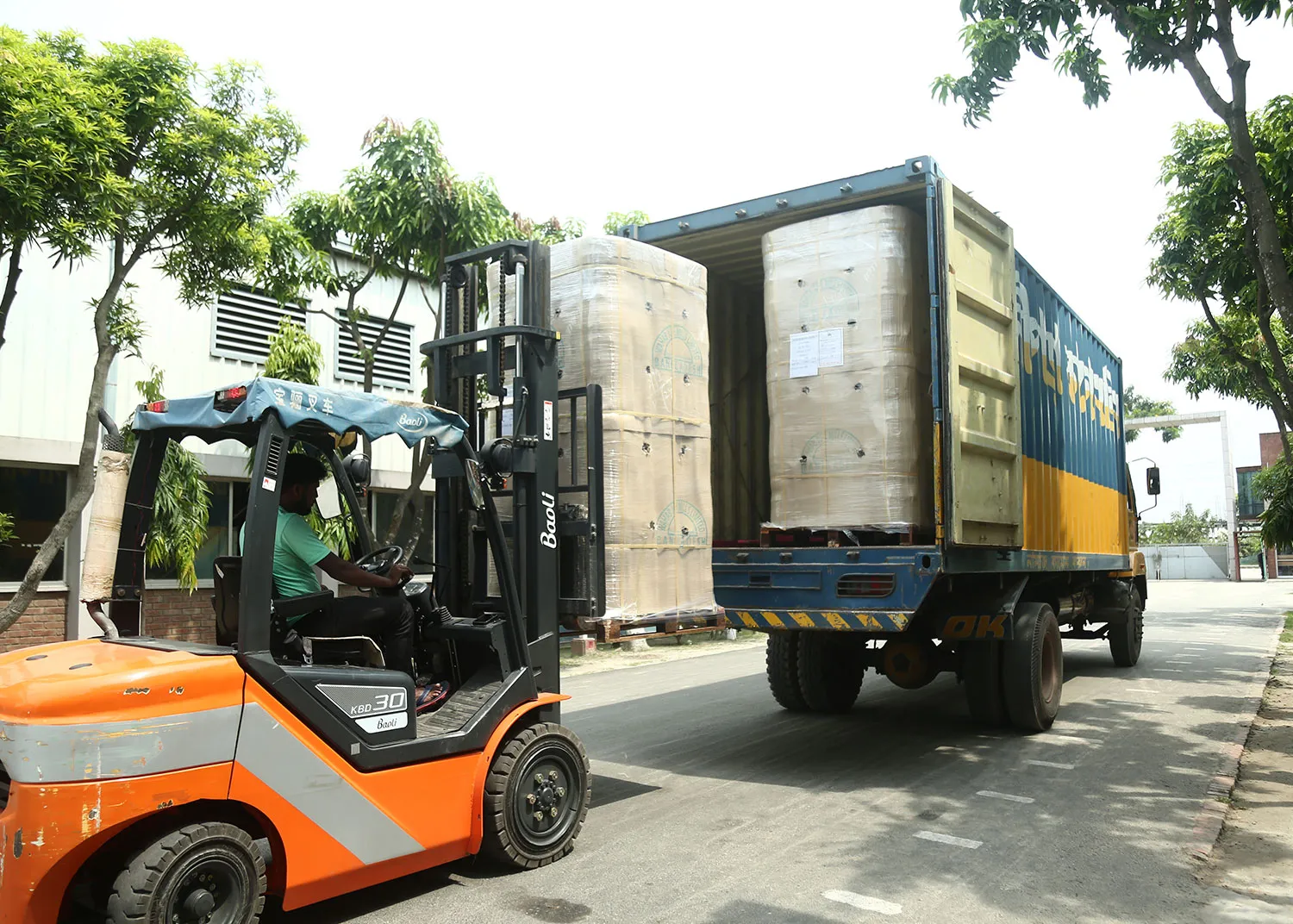
Most Bangladeshi jute ships from Chittagong (Chattogram), the country's main container port, with Mongla as a secondary option. Transit time depends on your destination — roughly 10–15 days to China, 15–20 days to Turkey, and 20–30 days to Northern Europe. Add production lead time on top, and confirm the current schedule with your supplier before you commit to a delivery date. Our country guides, such as exporting jute to Turkey, go into route-level detail.
Step 8: Customs, duties and payment
Customs clearance at your destination is normally the buyer's responsibility under FOB and CIF terms, but the documentation above is designed to make it straightforward. European buyers should note that Bangladesh's status as a Least Developed Country has historically given its jute duty-free access to the EU under the Everything But Arms scheme — a real cost advantage, though buyers should confirm current tariff treatment as Bangladesh transitions out of LDC status. On payment, terms such as telegraphic transfer (T/T) and letter of credit (L/C) are standard and are agreed per buyer; see our FAQ for more.
Step 9: Build a long-term supplier relationship
The buyers who get the best prices and the most reliable supply are the ones who treat their mill as a partner rather than a one-off vendor. Consolidate your orders, share forecasts, and give feedback. A mill that knows your spec and your schedule will protect your supply when capacity is tight.
Ready to import jute yarn from Bangladesh?
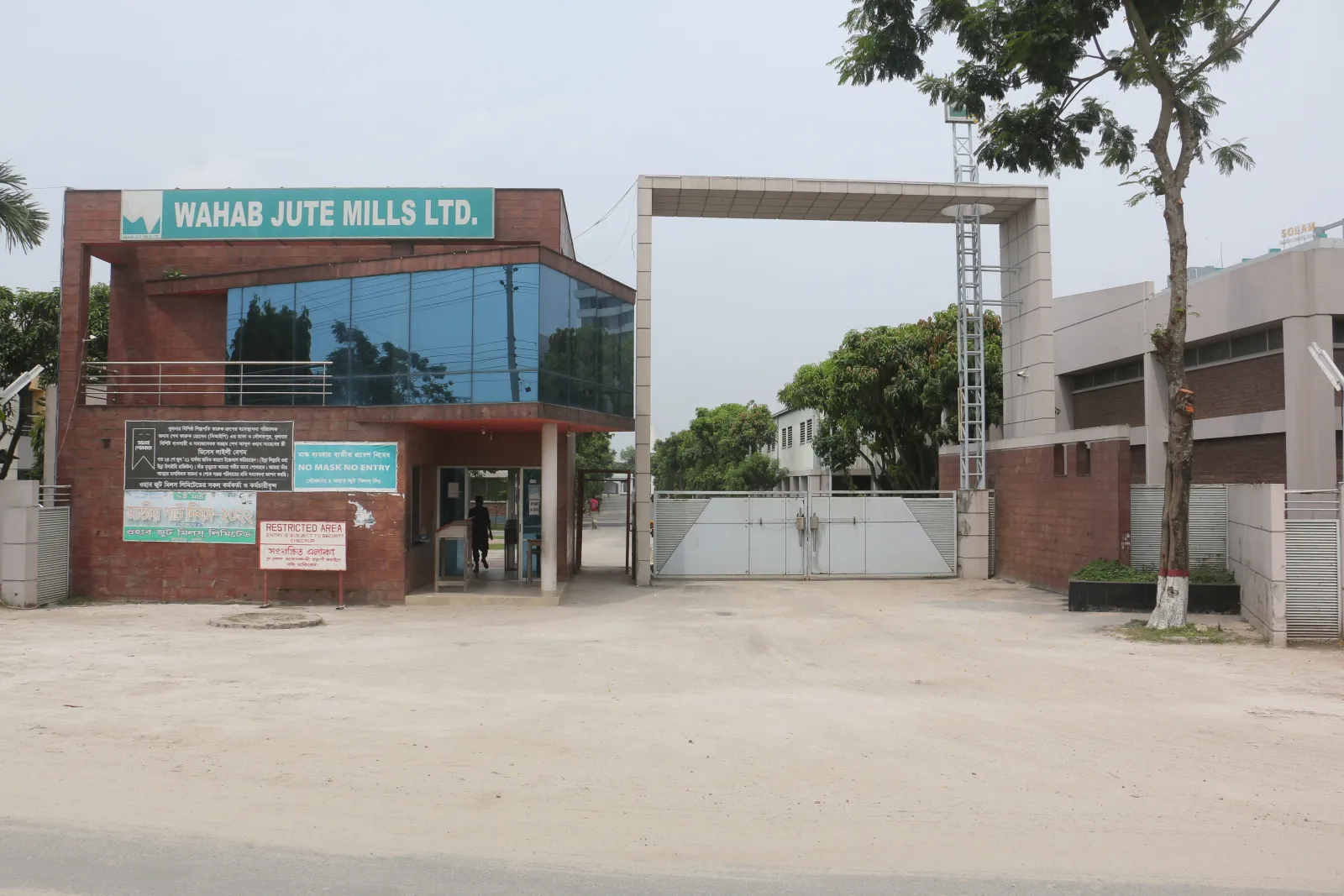
Wahab Jute Mills has manufactured and exported premium jute from Khulna since 2006, to buyers in 25+ countries. Tell us your requirement and we will send factory-direct pricing within 24 hours — request a quote or contact our export team.