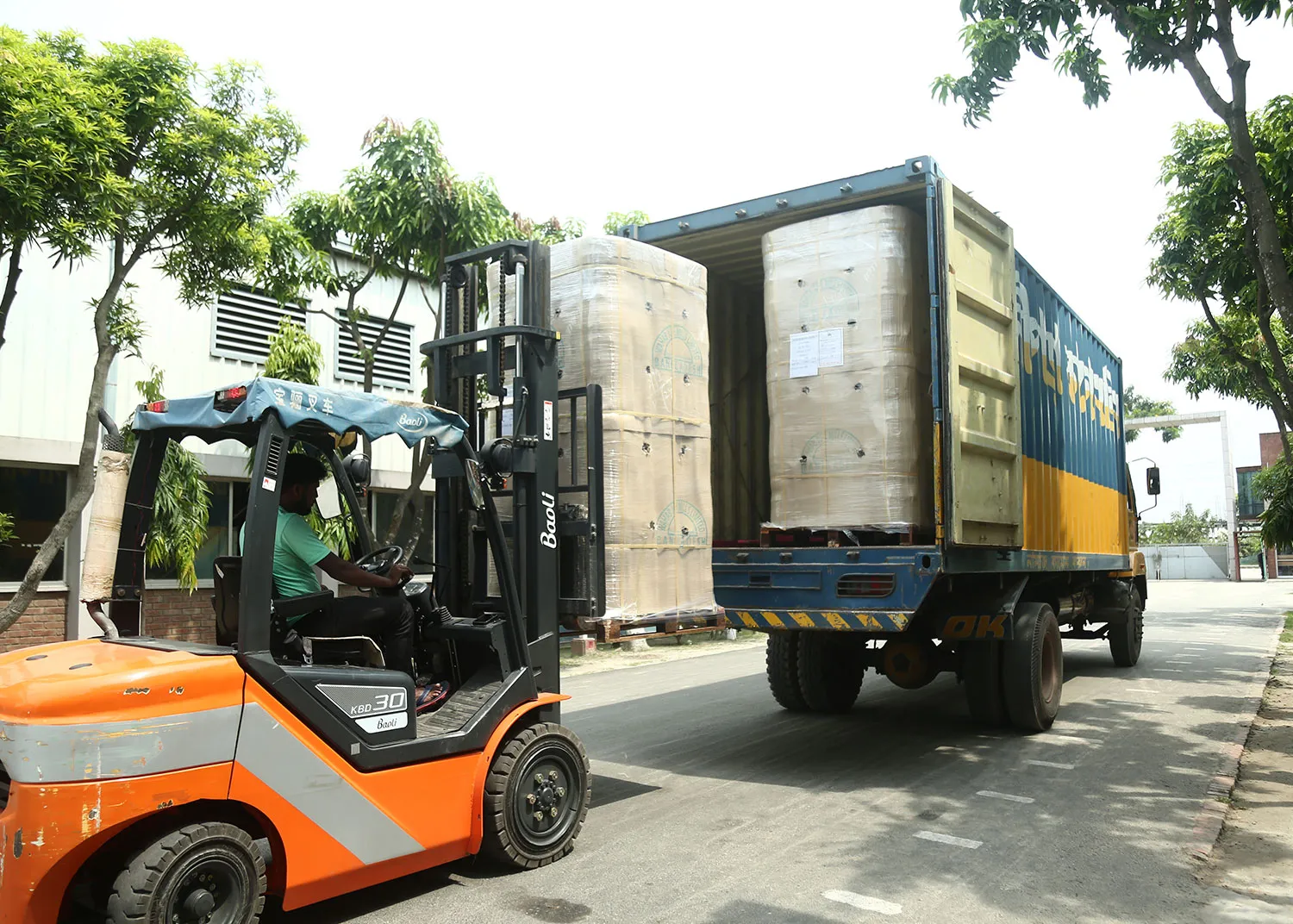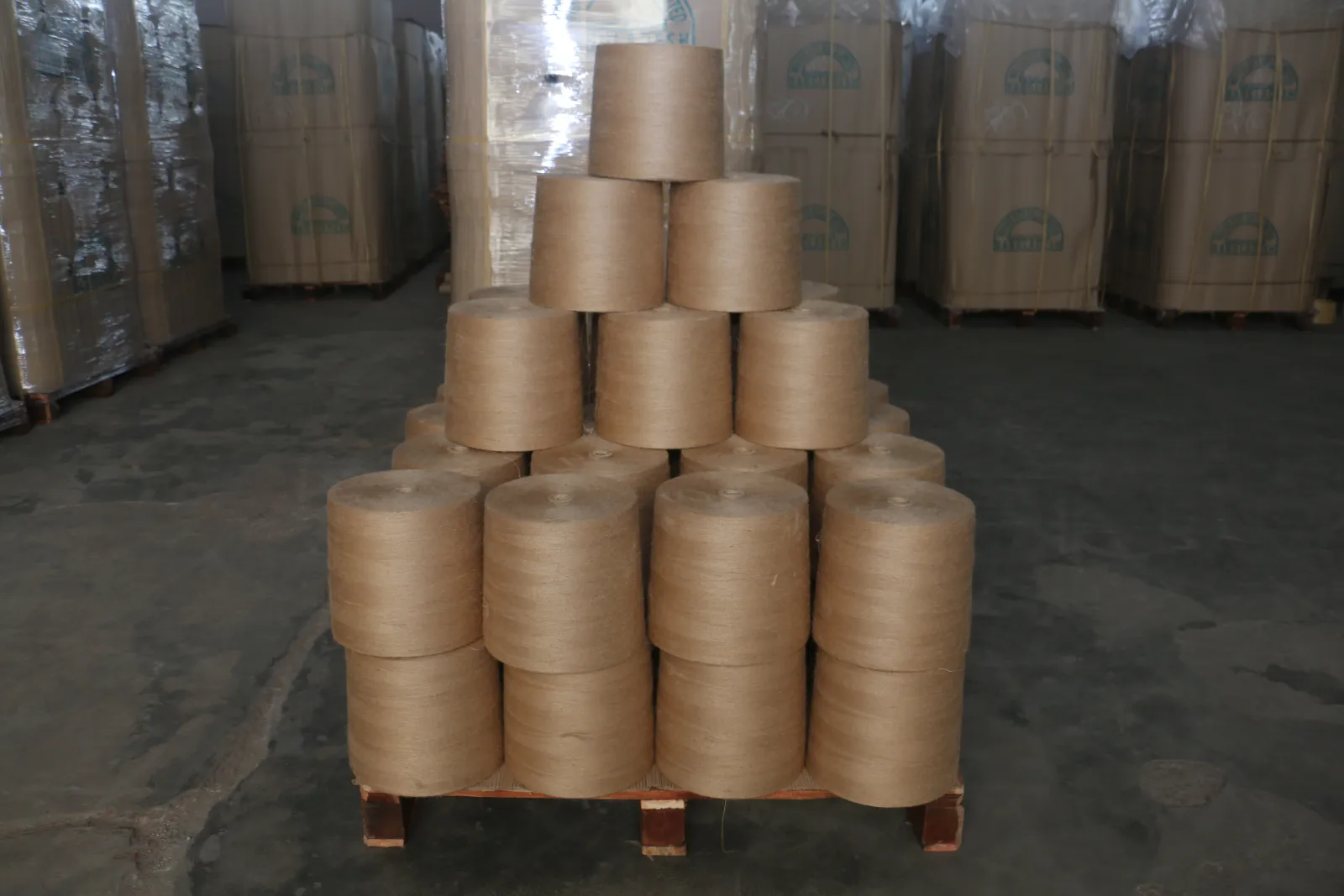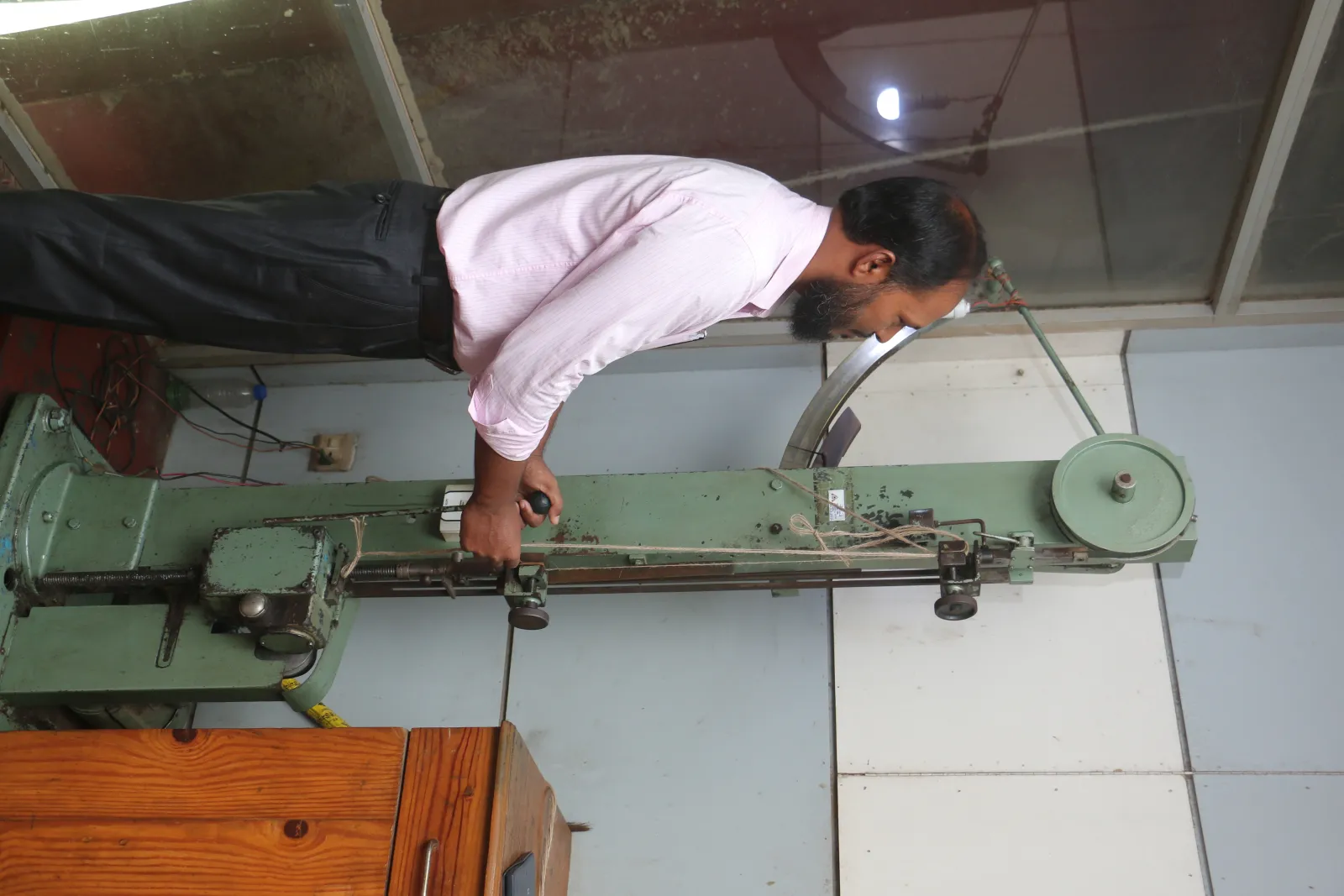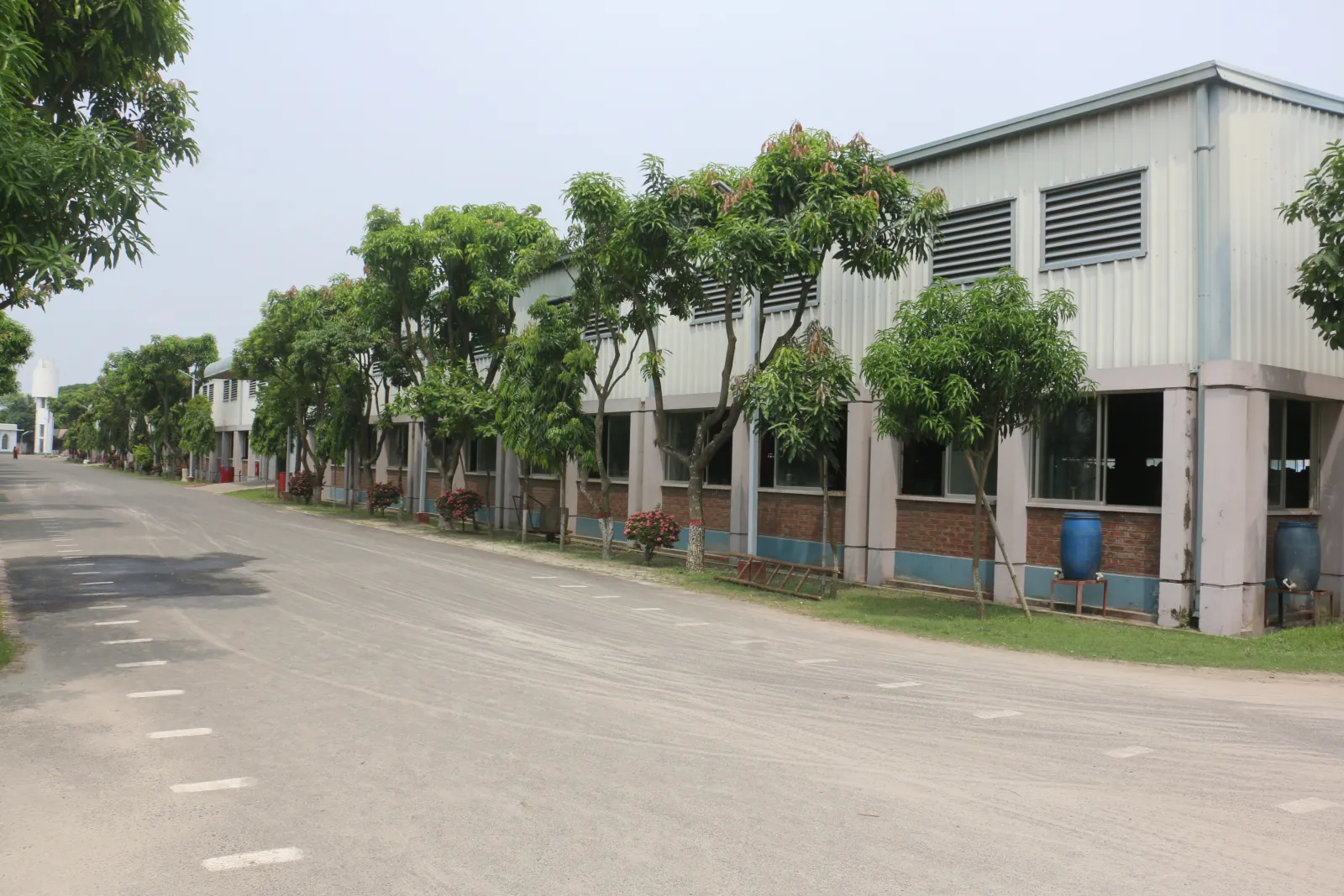
A bulk jute order ties up capital and your production schedule. Pick the right manufacturer and supply becomes a non-issue; pick the wrong one and you inherit inconsistent quality, missed shipments and disputes. This guide is the due-diligence process we would recommend to any first-time buyer — even if they do not end up buying from us.
The real cost of choosing the wrong supplier
A bad supplier rarely fails on the first order. They fail on the third — when the grade slips, the count drifts, or a shipment is late at exactly the wrong moment. By then you have built production around them. Front-loading a few hours of diligence is the cheapest insurance you can buy.
Step 1: Online research
Start by separating manufacturers from trading houses. Look for a real, consistent business identity: a physical mill address, a track record, named contacts, and a clear product range with specifications — not just stock photos and a price list. Cross-check the company name against the address.
Step 2: Request and test samples
Always sample before you order. Ask for the exact count and grade you intend to buy, and evaluate it against your benchmark — hand, colour, luster and, if you can, tensile strength and moisture. A manufacturer confident in its quality will send samples readily. Reluctance is a red flag in itself.
Step 3: Audit the factory — in person or remotely
You do not always need to fly in. Ask for a live video walk-through of the production floor, or commission a third-party inspection. What you want to confirm:
- The mill actually has spinning/weaving capacity (not just a warehouse).
- Production volume matches the order sizes they quote.
- Quality control happens at multiple stages, with records.
- Working conditions are safe and orderly.
Step 4: Check references
Ask for references from existing export buyers, ideally in your region or industry. The single most reliable quality signal in this trade is repeat orders: buyers do not come back to a supplier that lets them down.
Step 5: Review the contract and documentation
Before money moves, confirm the specification, price, Incoterm, payment terms and delivery in writing, and confirm which export documents will be provided. A professional manufacturer will have a clear export process and standard documentation ready.
Red flags to watch for
- Prices well below market — usually lower grade or short weight.
- Vague answers about counts, grades, capacity or process.
- No physical address, or a mismatch between name and address.
- Reluctance to provide samples or references.
- Pressure for 100% advance payment to an unfamiliar account.
Green flags — signs of a reliable manufacturer
- A real mill with its own capacity and a multi-year track record.
- Specific, confident answers about specifications and grades.
- Samples, references and documentation provided without friction.
- Transparent pricing and terms, and a willingness to be audited.
Why Wahab Jute Mills passes every check
Founded in Khulna in 2006, we are a manufacturer — not a middleman — with our own spinning floor, two decades of documented exports to 25+ countries, and quality control at every stage. We welcome samples, references and factory audits. Read our story or put us to the test with a quote request.