Jute fabric is one of the oldest and most versatile natural textiles in the world — and, after cotton, one of the most produced. You have almost certainly handled it: it is the coarse, golden-brown cloth of coffee sacks, garden landscaping rolls, rustic table runners and eco-friendly tote bags. This guide answers the questions people most often ask — what jute fabric is, what it is made of, its properties and uses, and where to buy it in bulk.
Jute fabric is a woven cloth made from the natural fibers of the jute plant. The plain-woven version is known as hessian or burlap; heavier weaves are used for sacking.
What is jute fabric made of?
Jute fabric is woven from the long, soft bast fibers of the jute plant (Corchorus species). The fiber is extracted from the plant stalks by retting (soaking) and stripping, then spun into jute yarn and woven into cloth. Because it is 100% plant-based, jute fabric is fully natural, renewable and biodegradable. We cover the raw material in depth in our jute fiber guide.
Is jute fabric the same as burlap and hessian?
Largely, yes — the terms overlap. “Hessian” (British/Commonwealth) and “burlap” (North American) both refer to the plain-woven jute fabric most people mean by “jute fabric.” Strictly, “jute fabric” is the broad category; hessian/burlap is its most common plain-weave form, and “sacking” is a heavier, coarser weave. For the full construction detail — weights, weave and widths — see our hessian & burlap specification guide.
Types of jute fabric
| Type | What it is | Typical use |
|---|---|---|
| Hessian / burlap | Standard plain-weave jute cloth | Packaging, bags, décor, crafts |
| Sacking | Heavier, coarser weave | Grain and commodity sacks |
| Carpet backing (CBC) | Fine, even-weave cloth | Backing for tufted carpets |
| Scrim | Light, open-weave cloth | Plaster reinforcement, laminating |
| Jute blends | Jute with cotton/other fibers | Apparel, furnishing, fashion |
Jute fabric properties
Jute fabric's appeal comes from a rare mix of qualities at a very low price:
- Strong — high tensile strength for its weight
- Breathable — an open weave that lets contents “breathe,” reducing spoilage
- Biodegradable & compostable — returns to soil, no microplastics
- Renewable — from a fast-growing annual crop
- Insulating & antistatic — useful in technical and packaging uses
- Natural look & texture — prized in décor, retail and fashion
What is jute fabric used for?
Jute fabric appears across a remarkable range of industries:
- Packaging — coffee, cocoa and grain sacks, liners and wraps
- Agriculture & landscaping — erosion-control geo-textiles, root-ball wrap, weed control
- Interiors & décor — wall coverings, upholstery backing, runners, lampshades
- Retail & fashion — tote and gift bags, rustic packaging, accessories
- Construction — plaster scrim, pipe wrapping
It is the same material behind our jute bags & sacks and hessian fabric.
Is jute fabric eco-friendly?
Very. Jute grows in months with little irrigation and minimal pesticide, absorbs CO₂ as it grows, and biodegrades completely at end of life — the opposite of woven polypropylene. It is one of the reasons buyers are switching back to natural fiber, which we explore in jute vs. synthetic fiber.
How is jute fabric made?
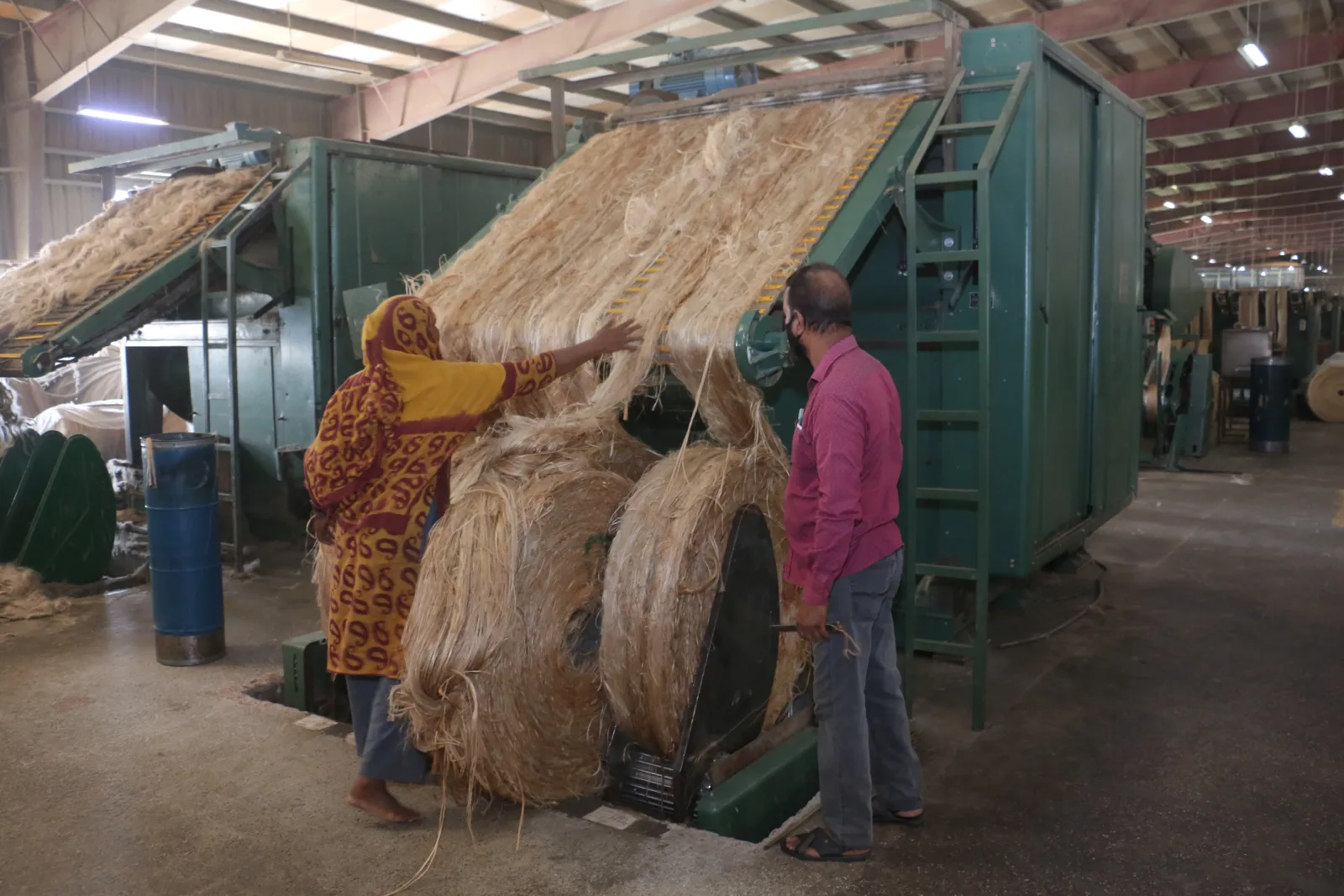
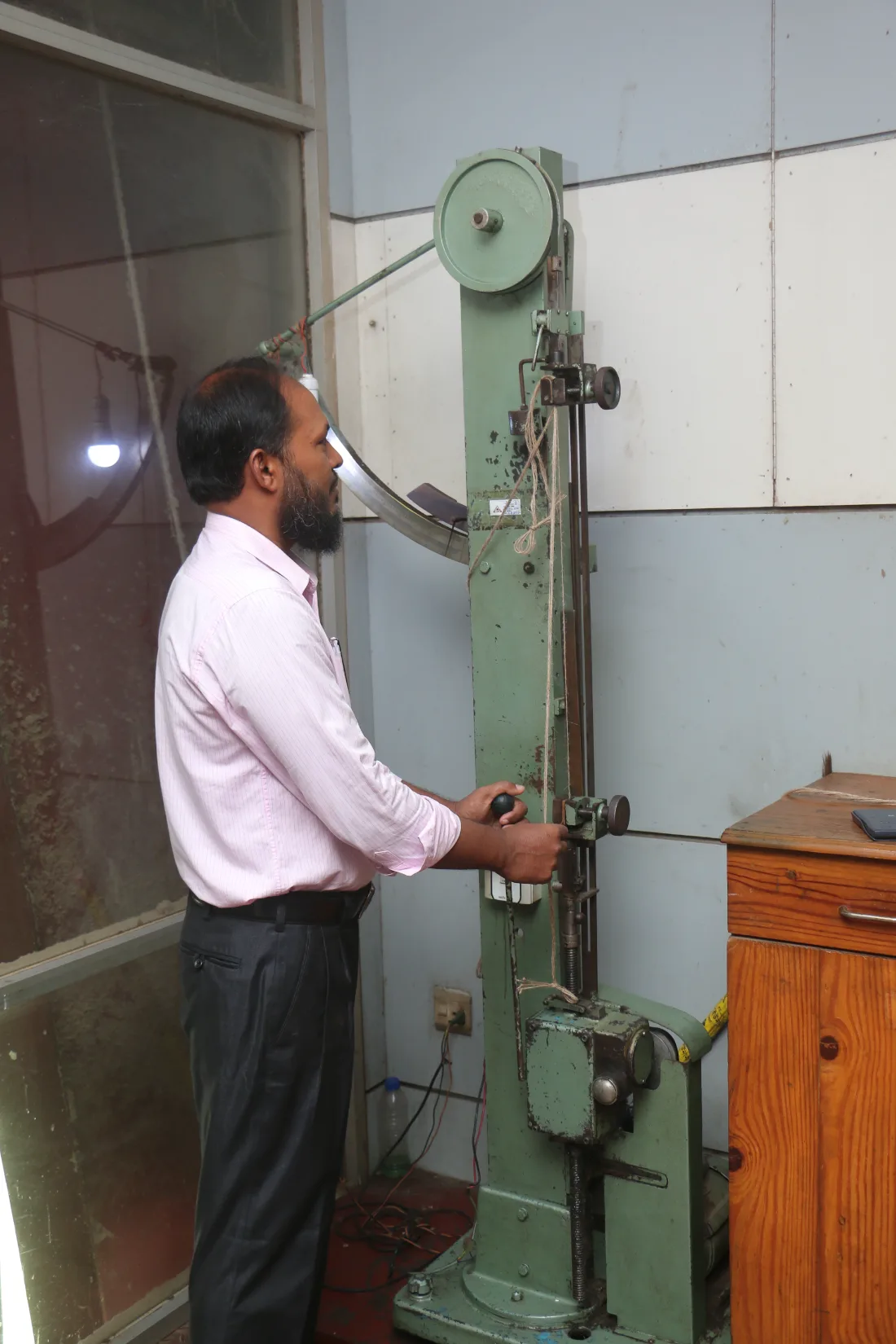
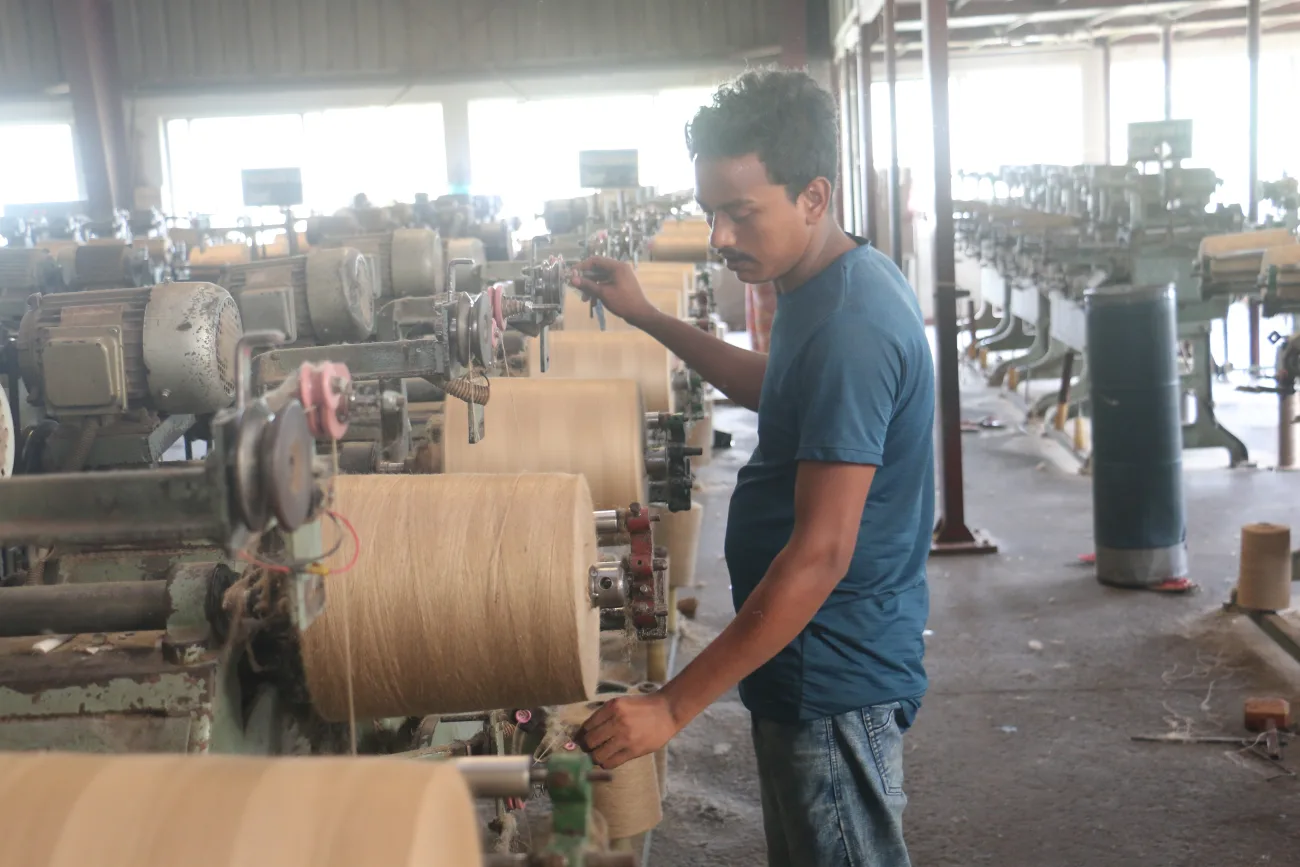
In short: the plant is harvested and retted, the fiber is stripped and dried, spun into yarn, and woven into cloth on looms — then finished, cut and rolled. We walk through the full sequence in how jute yarn is made and on our manufacturing process page.
Where to buy jute fabric in bulk
For wholesale and export quantities, the most cost-effective source is a manufacturer in Bangladesh — the origin of the world's finest jute — rather than a re-seller. Wahab Jute Mills weaves hessian, sacking and carpet-backing cloth to your weight, width and finish, and ships worldwide. Browse our products or request a quote.
Frequently asked questions
What is jute fabric?
Jute fabric is a woven cloth made from the natural fibers of the jute plant. Its common plain-woven form is called hessian or burlap.
What is jute made of?
Jute is a natural plant fiber harvested from the stalks of the jute plant (Corchorus). It is spun into yarn and woven into fabric, rope and twine.
Is jute fabric waterproof?
Plain jute fabric is breathable, not waterproof. For moisture resistance it can be laminated or lined — useful for sugar, flour and food packaging.
Can I order jute fabric to a custom weight and width?
Yes. We manufacture to your specified GSM/ounce weight, width, weave and finish. Request a quote and we will send a sample.