Twine vs string vs rope at a glance
These words describe overlapping families of cord, rather than three materials or fixed sizes. Cotton string, jute twine and nylon rope are familiar examples, but each name can cover other fibres too. Use this comparison as a starting point, then check the actual specification.
| Feature | String | Twine | Rope |
|---|---|---|---|
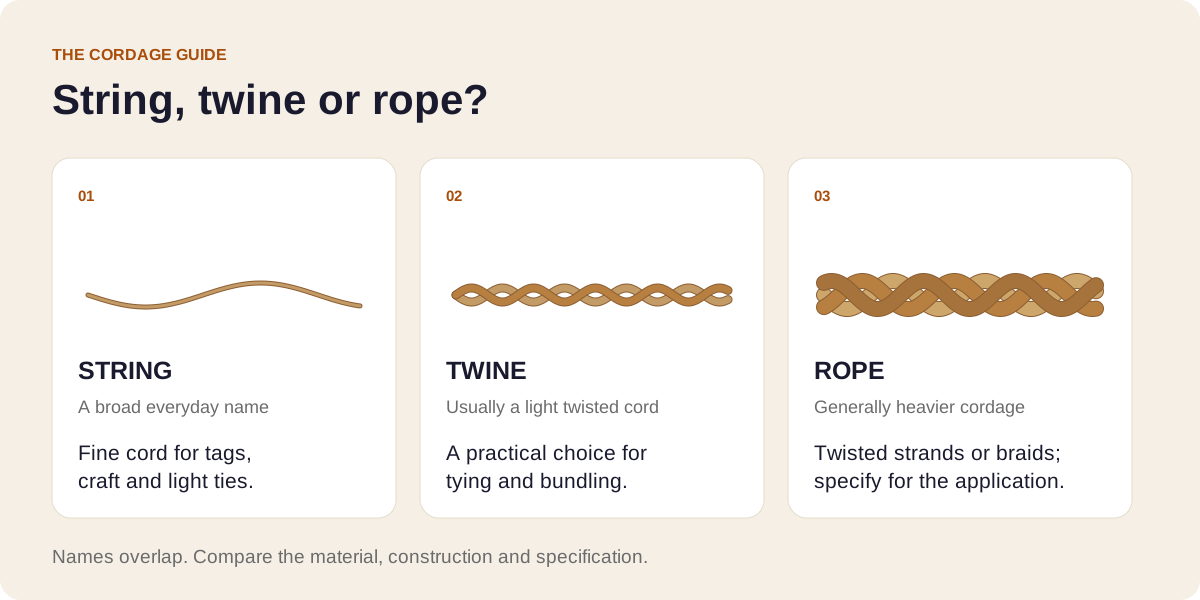
| Meaning | Broad everyday term for fine cord | Usually a light twisted cord for tying | Generally heavier cordage |
| Construction / ply | Single yarn, plied or braided; varies | Commonly two or more yarns twisted together; trade names vary | Twisted strands or a braided construction |
| Materials | Cotton, jute, synthetics and other fibres | Jute, sisal, cotton, polypropylene and others | Natural fibres, nylon, polyester, polypropylene and others |
| Relative strength | Depends on fibre, diameter and construction | Depends on fibre, diameter and construction | A larger cross-section can increase strength in otherwise comparable cordage |
| Typical uses | Tags, crafts, parcels, light ties | Garden ties, gift wrap, bundling, packaging | Décor, landscaping, utility and rated specialist uses |
| What to specify | Material, thickness, length and finish | Material, ply, runnage and put-up | Material, diameter, strand/braid and rated performance where needed |
What is string?
String is an everyday umbrella term for a thin, flexible length of cord used to tie, fasten, hang or mark something. It does not tell you the fibre or how it is made. A ball labelled string might contain a single yarn, several yarns twisted together, or a fine braid.
For gift tags, paper crafts and light parcels, string describes the job well enough. When repeatable performance matters, ask for the material and specification. Two strings that look equally thin can behave differently when stretched, wetted or knotted.
What is twine?
Twine is usually a light cord formed by twisting yarns together. It is widely used for tying plants, wrapping parcels, binding bundles and making crafts. Jute and sisal are common natural twine fibres; cotton and synthetic twines are also available. Twine is therefore a type of cord, rather than a synonym for jute.
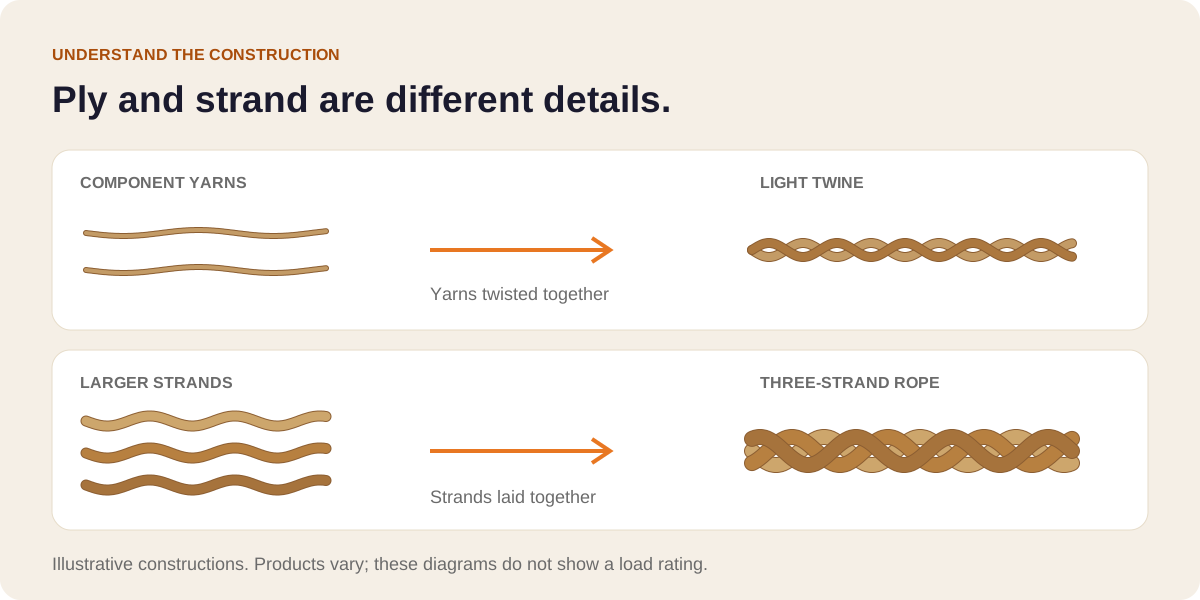
Ply describes the number of component yarns at a particular stage of construction. It helps describe a twine, but a 3-ply product is not a guaranteed thickness or strength: the component yarns may be fine or coarse. Suppliers also sometimes market fine single yarn as twine. Ask for diameter or metres per kilogram as well as the ply.
What is rope?
Rope generally describes heavier cordage made by twisting strands together or braiding fibres or yarns. A familiar example is three-strand laid rope, whose three larger strands each contain smaller components. Braided rope has a different construction and may include a core and outer cover.
Ropes serve very different purposes. Decorative natural-fibre rope and a certified lifting or climbing rope belong to different product categories, even if both are called rope. For any task with a load or a safety requirement, choose a product specifically rated for that task.
Twine vs string: are they the same?
In everyday shopping, they often mean the same product. String is the broader word; twine usually tells you that the product is a light twisted cord for tying. The difference between twine and string is therefore often one of naming and construction, not a reliable rule about material or strength.
For example, a retailer might call a ball of 2-ply jute cord garden string, while a manufacturer calls it jute twine. Compare the fibre, ply, length and weight on the label before assuming the two products differ.
Twine vs rope: does thickness decide it?
Rope is normally thicker than twine within a comparable product range, but there is no universal millimetre cutoff that makes every cord a rope. Construction matters too: a small three-strand rope and a thick twisted twine can overlap in diameter. Industry and supplier terminology vary.
Avoid treating ply as diameter. A rope's strand count and a twine's ply count do not necessarily count the same structural components. Give the supplier the diameter and intended use, and ask how the product is constructed.
String vs rope: which is stronger?
With the same material and comparable construction, adding more fibre generally increases breaking strength. That is why the rope in a natural-fibre range is usually stronger than its light string. Across different materials, however, the name and thickness alone cannot establish which is stronger.
Breaking strength is also different from an allowable working load. Knots, abrasion, moisture, age and the way a cord is used can affect performance. Ordinary craft string, garden twine and decorative jute rope should not be treated as lifting, climbing or fall-protection equipment.
Where jute string and hemp fit in
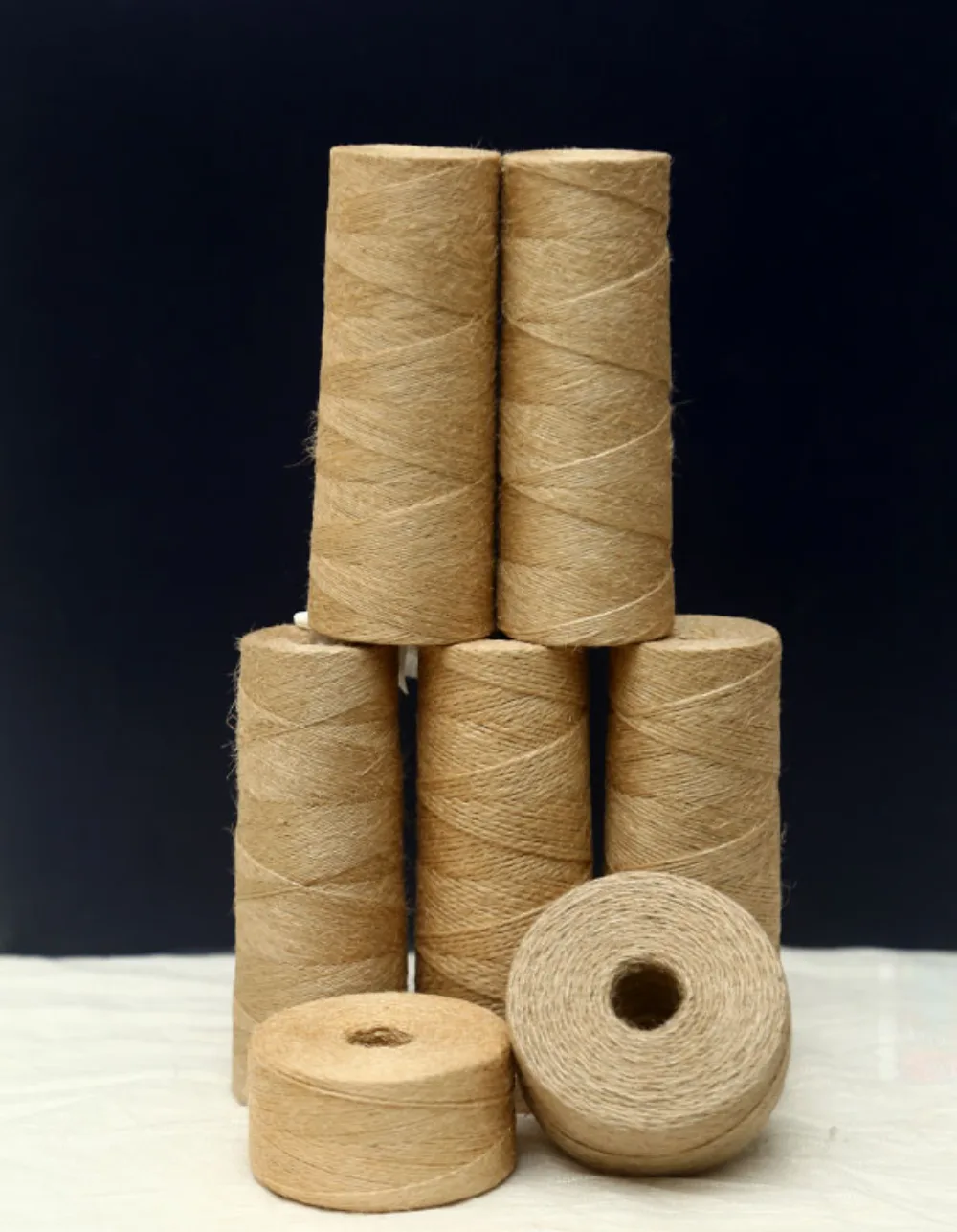
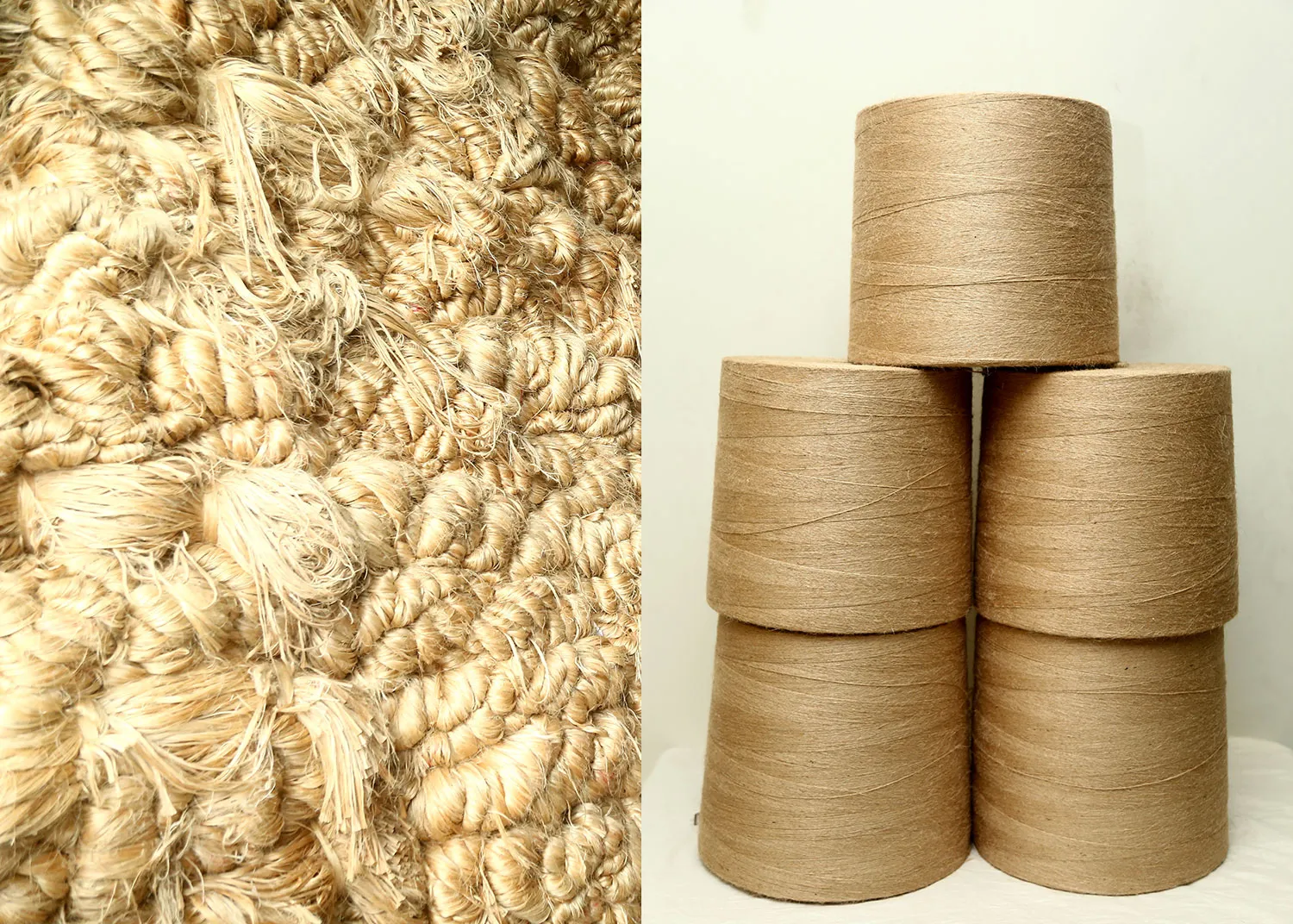
Jute is the plant fibre; string, twine and rope describe products made from that fibre. Jute string usually means a fine jute cord or light twine. If your question is specifically whether jute cord is the same as twine, our jute yarn vs twine vs rope guide covers the trade terms and jute-specific choices.
Jute is not hemp. They come from different plants, although both are bast fibres taken from plant stems. Compare jute and hemp when material choice matters, then choose the cord construction suited to your use.
Choose by the job, then check the specification
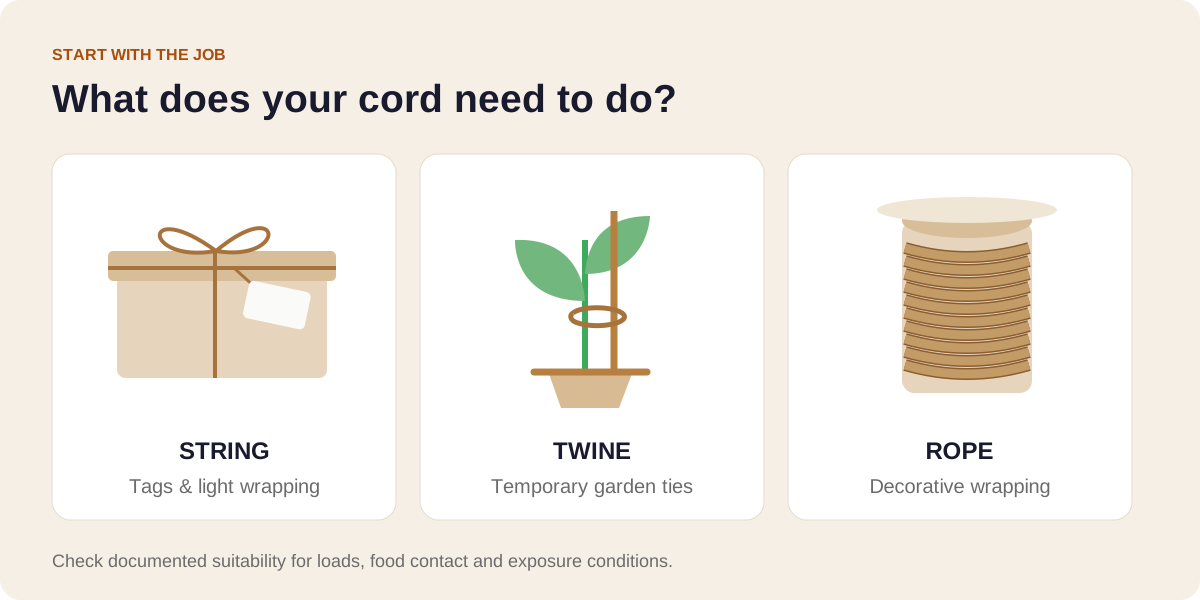
- Gift tags, paper crafts and light wrapping: choose a fine string or twine that handles neatly and fits the holes or knots you need.
- Temporary garden ties and plant training: choose a suitable garden twine, tie loosely and inspect the ties as the plant grows. Natural fibres deteriorate outdoors.
- Parcels and bundles: choose twine with a specification suited to the bundle, closure method and handling conditions.
- Decorative furniture wrapping, displays and landscaping details: rope may give the thickness and texture you need. Confirm outdoor durability if relevant.
- Lifting, climbing, restraints or other safety-critical tasks: use purpose-rated equipment and follow its manufacturer's instructions.
What to tell a supplier when buying in bulk
A request for strong string is difficult to quote consistently. Send the intended use, fibre, diameter or runnage, ply or strand construction, finish, unit length or weight, total quantity and destination. State any performance tests or regulatory requirements before approving samples.
For jute orders, compare our jute twine wholesale range for light tying and packaging with jute rope wholesale for heavier decorative and general-purpose cordage. The product pages include specification and packing options; request a quote with your requirements for current commercial terms.