Buying jute twine in bulk is simple once you know what to specify and how to compare quotes on a like-for-like basis. Get the spec vague and you invite the wrong ply, an inconsistent product and a price you can't really compare; get it precise and sourcing becomes straightforward. This guide walks a bulk or wholesale buyer through exactly what to decide, what to ask for, and what to check — from ply and put-up to MOQs, quality and shipping.
Have four things ready: the ply and thickness you need, the finish (natural, bleached or polished), the put-up (ball, cone, spool or hank), and your quantity and destination port. With those, a mill can quote you accurately in one pass.
1. Specify the twine: ply and thickness
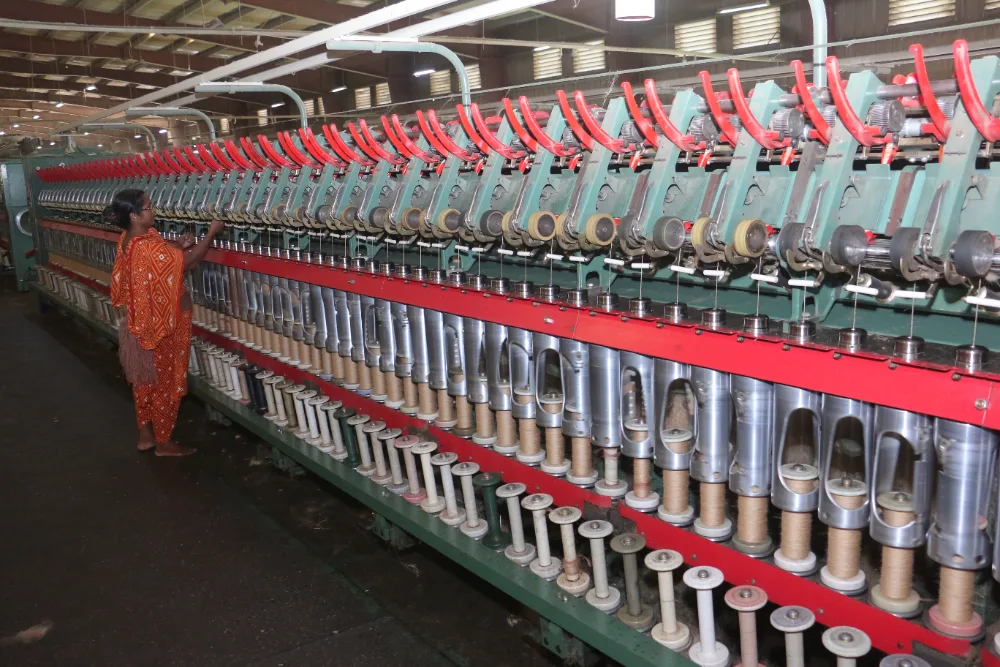
Jute twine is built from plied jute yarn, and ply is the first thing to pin down. Single-ply (1-ply) is the finest, used for delicate craft, gift-wrap and light gardening. 2-ply is the versatile middle — general tying, packaging and garden use. 3-ply is heavier, for bundling, baling and industrial tying. Thickness (and its inverse, runnage — the metres you get per kilogram) follows from ply and count. If ply, count and 'twine versus rope' still feel fuzzy, our explainer on jute yarn vs twine vs rope untangles it.
2. Choose the finish
- Natural (undyed) — the classic golden twine; the choice for rustic packaging, craft and food-safe/butcher tying.
- Bleached — lighter, cleaner tone for retail and décor.
- Polished — a smoother, harder finish that runs better through automated tying machines.
- Dyed — colour matched for retail and promotional lines (on larger runs).
3. Choose the put-up (packaging)
How the twine is wound matters as much as the twine itself, because it has to fit your process and your shelf. The common put-ups are balls (retail and craft), cones (automated dispensing and machine feed), spools (controlled feed) and hanks (bulk handling). Specify the ball or cone weight, spool size, or cut length you need — on wholesale orders these can be made to your requirement, including private-label banding.
4. Match the grade to the use
| Use | Typical ply | Finish | Put-up |
|---|---|---|---|
| Craft & gift wrap | 1–2 ply | Natural / bleached / dyed | Balls, spools |
| Gardening & horticulture | 2–3 ply | Natural | Balls, cones |
| Butcher / kitchen | 1–2 ply | Natural, undyed | Cones, spools |
| Packaging & bundling | 2–3 ply | Natural / polished | Cones, hanks |
| Industrial / agricultural | 3 ply | Natural / polished | Cones, hanks |
5. Understand MOQ, price tiers and container quantities
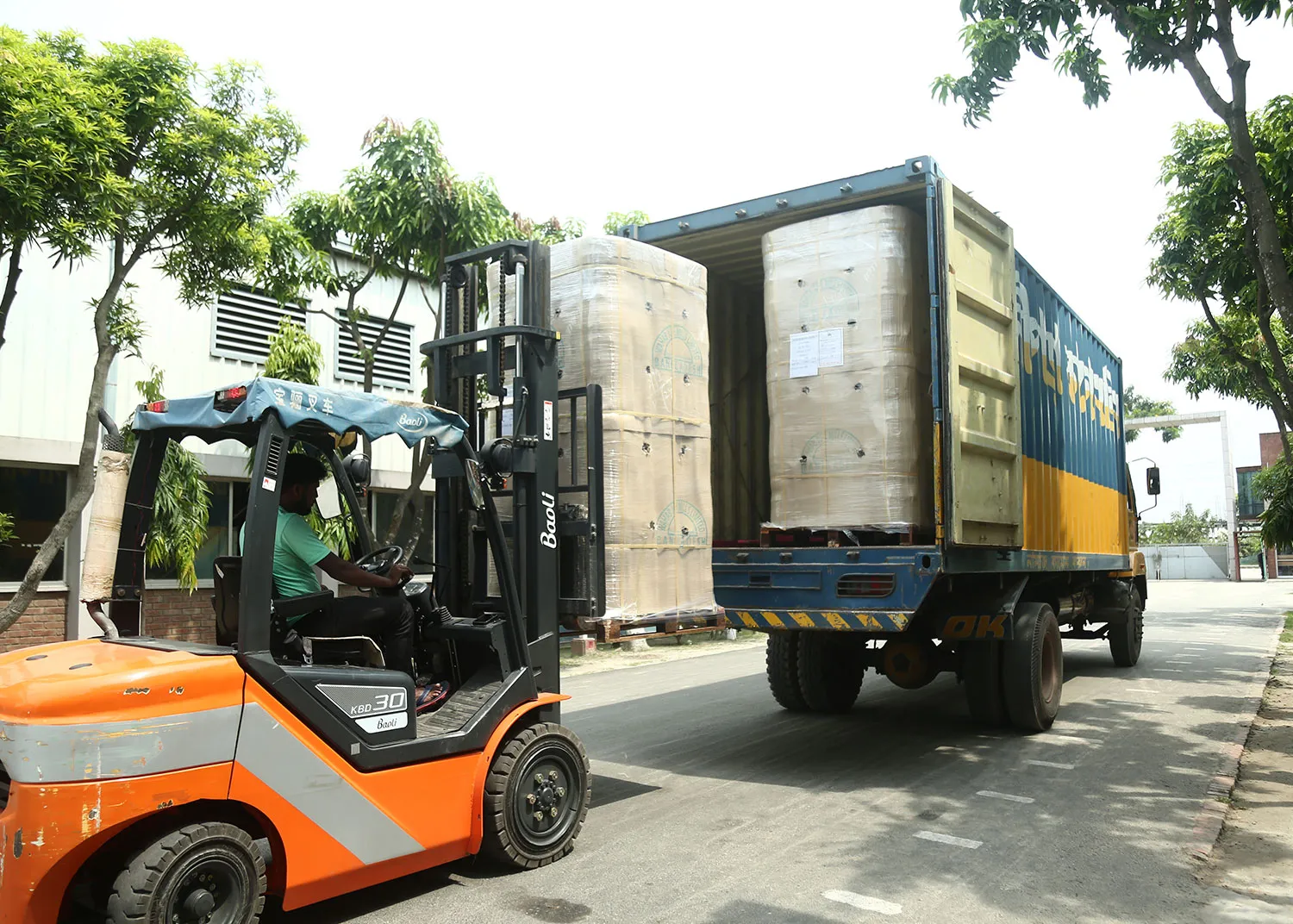
Mill-direct twine is priced by weight, and the price per kilogram falls as volume rises. Expect a minimum order quantity (commonly from around one metric ton for a wholesale run) and price-break tiers above it. For planning: a 20ft container holds roughly 18–22 tonnes of palletised goods and a 40ft container more, so mapping your annual volume to full or shared container loads is the single biggest lever on landed cost. Ask the mill for tiered pricing so you can see the breakpoints.
6. Check quality before you commit
- Ask for a sample and check twist consistency, strength and evenness along the length.
- Confirm colour consistency lot-to-lot — important for retail lines.
- For food or butcher use, confirm the natural, undyed grade and any documentation you need.
- Ask what the mill tests and whether they can supply a test report — see our jute quality testing guide.
7. Sort shipping and Incoterms
Twine ships from Chattogram, Bangladesh. Decide your Incoterm — FOB Chattogram if you control freight, CIF to your port if you want the mill to build freight and insurance in. Indicative transit is roughly 25–33 days to Rotterdam and Felixstowe, around 30–40 days to New York, and shorter to Istanbul. Our guides to importing jute from Bangladesh and Incoterms for jute imports cover the mechanics.
FAQ
What is the minimum order for bulk jute twine?
Wholesale runs commonly start from around one metric ton, with better pricing at full-container volumes. Ask for tiered pricing so you can see where the breakpoints fall for your quantity.
Which ply of jute twine do I need?
1-ply for fine craft and gift-wrap, 2-ply for general tying and garden use, 3-ply for bundling, baling and industrial tying. Tell the mill the application and they will recommend the ply.
Can jute twine be private-labelled?
Yes. On wholesale orders, put-ups (ball and cone weights, spool sizes, cut lengths) and private-label banding can be made to your specification.
Order jute twine mill-direct
We manufacture jute twine — and heavier jute rope — in bulk and wholesale, mill-direct from Bangladesh. Send your ply, finish, put-up and quantity and we will quote within 24 hours: request a quote.